Introduction
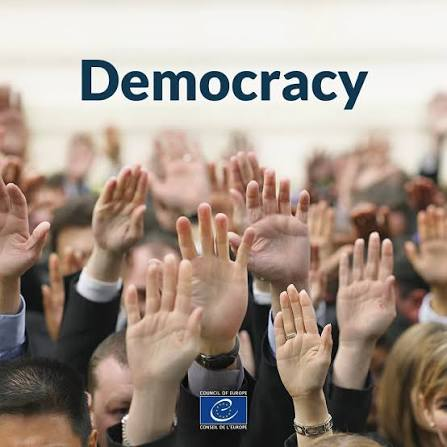
Democracy is commonly described as government of the people by the people and for the people. However its true meaning goes far beyond holding elections or allowing citizens to cast their votes. Real democracy is a political system in which people have genuine control over their government their rights are protected and those who exercise public power remain accountable to the people.
The fundamental idea of democracy is that political authority comes from the consent of citizens not from the personal wishes of a ruler a powerful family the military or a privileged group.
Elections Are Not Enough
Free and fair elections are an essential part of democracy but elections alone cannot make a country democratic. People must have a genuine choice between different candidates and political parties. They must be able to vote without fear pressure manipulation or discrimination.
The results of elections must be respected and elected representatives must have the actual authority to perform their constitutional responsibilities. If people can vote but cannot freely choose their leaders elections lose their democratic purpose.
Rule of Law and Equality
One of the most important foundations of real democracy is the rule of law. It means that everyone including the president prime minister government officials and ordinary citizens is subject to the law.
No individual or institution should have unlimited power. Laws must be applied fairly and independent courts must be able to protect citizens against injustice and misuse of authority.
Democracy also requires political equality. Every citizen should have an equal right to participate in public affairs regardless of wealth social status religion gender or political background.
Freedom of Expression and Independent Media
A democratic society allows people to question the government criticize public policies and express different opinions peacefully. Freedom of speech is not only about allowing people to agree with those in power; it also means protecting their right to disagree.
Independent media plays an important role by informing the public investigating government decisions and bringing important issues to public attention. Without access to reliable information citizens cannot make informed political choices.
Accountability and Separation of Powers
In a genuine democracy elected leaders are public servants not owners of the state. They must explain their decisions and accept responsibility for their actions.
The legislature executive and judiciary should have clearly defined constitutional roles. Independent institutions and checks and balances help prevent the concentration and misuse of power.
Protection of Minority Rights
Democracy does not mean that the majority can do whatever it wants. The rights of minorities must also be protected. People who belong to smaller religious ethnic cultural or political groups must enjoy the same fundamental rights as everyone else.
A democratic government must respect diversity and protect individuals from discrimination even when their opinions are unpopular.
Conclusion
Real democracy is not simply a system of voting; it is a system of rights responsibilities equality participation and accountability. Its success depends on strong institutions independent courts free media fair elections and respect for the rule of law.
Ultimately democracy exists when citizens have the power to choose their representatives question those in authority protect their freedoms and change their government through peaceful and constitutional means. The true test of democracy is not how frequently elections are held but how freely people can exercise their rights and how effectively those in power are held accountable.

Comments
No comments yet.
Log in to comment.